
digital business card analytics
Digital Business Card Analytics: A Quiet Signal
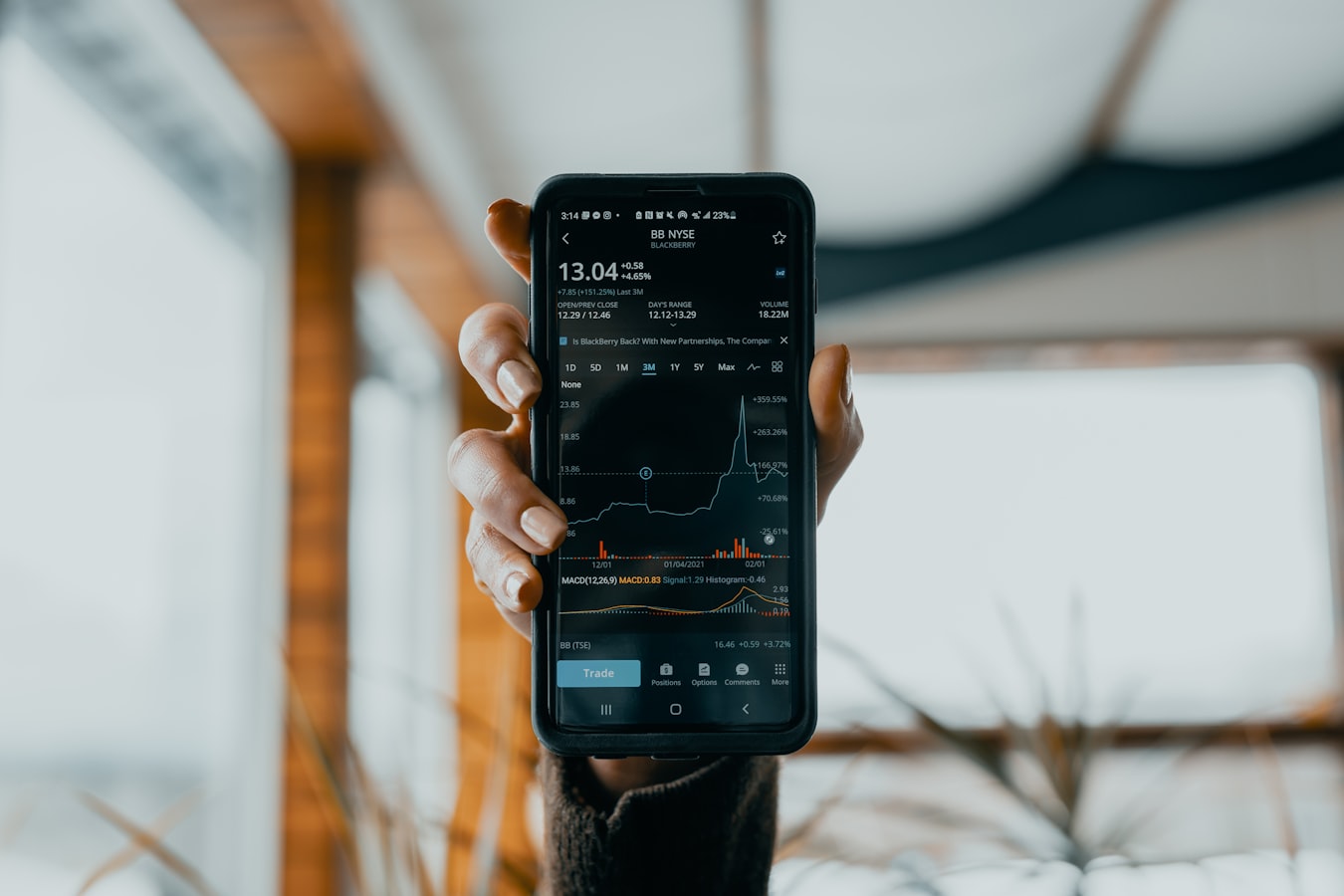
Digital Business Card Analytics: A Quiet Signal, Not a Scoreboard
You shared your card with someone last week. Did they save it? Did they even look at it? A paper card gives you no answer. It sits in a pocket or a drawer, and you never know.
A digital card can tell you a little more. Not everything. Not who someone is or where they work or what they thought of you. But it can show you a few honest signals about what happened after you shared. That is what digital business card analytics are for.
The trouble is that analytics get oversold. Some tools turn simple numbers into a flashy dashboard and hint that you are running a machine. You are not. You are a person who met other people and wants to follow up well. The numbers are there to help you do that with less guessing and less pressure.
Let's walk through what the data actually shows, what it cannot show, and how to use it to make calmer follow-up decisions.
What Digital Business Card Analytics Actually Track (And What They Don't)
Start with the honest boundary. A digital business card is a web page at a URL. When someone opens that page, the system can record that the page was opened. That is the root of every number you will see.
From there, most tools track a handful of basic things:
- Views. How many times your card page was opened.
- Saves. How many times someone added your contact details to their phone.
- Rough timing. When those views and saves happened.
- General location. Sometimes a country or city, drawn from network data, not a precise pin.
- Link taps. If someone clicked through to your website, your booking page, or your digital business card LinkedIn profile.
Now the part that gets skipped. Analytics cannot tell you who the person is unless they choose to hand back their own details. BeamHello only syncs contacts the recipient willingly gave. There is no hidden identity attached to a view. A view is just "someone opened this," not "here is a named lead."
Analytics also cannot read minds. A save does not mean a deal. A view does not mean interest. And a long list of views is not a measure of your worth. If a tool implies otherwise, it is selling a scoreboard, not a signal.
We say it plainly on the BeamHello side: the person is the point, not the funnel. The recipient never signs up, never installs an app, and never becomes a data point to be mined. Your analytics reflect actions people took on purpose, nothing pulled from the background.
That framing matters because it changes how you read the numbers. You are not surveilling anyone. You are noticing quiet signals that people left on their own.
The Two Numbers That Matter Most: Views and Saves
Most dashboards throw a dozen metrics at you. Ignore most of them. Two numbers carry almost all the useful meaning: views and saves.
A view means your card got opened. Someone tapped your NFC tag, scanned your QR code for a business card, or clicked your link. They saw your page. That is the first honest sign that a real moment happened. It does not tell you they liked it. It tells you the connection worked and your details reached a screen.
A save means someone kept you. They added your contact card to their phone. This is the stronger signal. Saving takes a small deliberate action. Nobody saves a contact by accident. When you see a save, someone decided you were worth keeping around.
Here is a simple way to read the pair:
- Views but few saves. People are seeing your card but not keeping it. That can mean the sharing moment worked but the follow-through stalled. Maybe your card is missing a clear reason to save, or the details feel thin.
- Saves close behind views. People who open your card tend to keep it. That is a healthy pattern. Your card is doing its job when someone looks.
- A save days after the view. Someone came back to your page later and then saved. That is a small but real sign of interest worth a gentle follow-up.
Notice what we did not say. We did not say "chase the biggest number." A card shared with five people who all saved it beats a card shared with fifty who forgot you by lunch. Depth beats volume. The numbers are a signal about quality, not a race.
If you want your card to earn more saves, the fix is usually the card itself, not the analytics. A card that looks like you and gives a clear reason to keep it will hold better than a bare list of details.
What the Data Tells You About When and Where You Share
Timing and location data are softer signals. Treat them as texture, not truth. Still, they can teach you something about your own habits.
When. If most of your views land in the hours right after an event, your in-person sharing is working. If views trickle in over the following week, people are revisiting your card on their own time. Both are fine. The pattern just tells you where the action is.
Say you share your card mostly through your email signature. You might see steady, low views spread across weekdays. Compare that to a conference, where you might see a spike in a single afternoon. Neither is better. They are different channels doing different jobs.
Where. Location data is rough. It leans on network information and can be off by a lot. Do not build a plan around it. But it can flag something odd. If you only work locally and your views come from far away, someone may have shared your link forward, or a bot may have pinged the page. Either way, it is context, not a conclusion.
The real value of when-and-where data is comparing your own channels. Which way of sharing gets your card in front of people who then keep it? If your trade show sharing drives saves and your printed QR flyer does not, you have learned where to spend your energy. That is a smarter question than "how many views did I get."
Using Analytics to Improve Your Follow-Up Timing
This is where the numbers earn their keep. Not by telling you who to chase, but by helping you time a follow-up with a little more grace.
Think about the old way. You meet someone, you hand over a paper card, and you follow up blind. You do not know if they remember you. You send a message and hope it lands.
Now add one quiet signal. You see that the person opened your card the evening after you met, then saved it. That tells you the moment was warm and they kept you on purpose. A short, friendly note the next day is a natural fit. You are not guessing. You are responding to something real.
Or the opposite. You shared your card and see no view at all. That is not a reason to panic or to send three messages. It might mean the share did not go through, or your card slipped their mind. A single low-pressure reminder makes sense. Something like a short note with your card link again, no pressure attached.
A few honest guidelines:
- Do not stalk the timeline. Refreshing your dashboard to watch for a view is a bad use of a good tool. Check it once when you plan follow-ups, then close it.
- Never mention that you saw the data. "I noticed you viewed my card" is a strange thing to say. It makes people feel watched. Use the signal privately to time your outreach, not to explain it.
- Let a save guide warmth, not pressure. A save is a small yes. Match it with a warm, brief message, not a hard pitch.
If you want a deeper walk through the human side of this, our guide on how to follow up after a networking event covers the tone and timing in more detail. Analytics just add one small input to that. They do not replace judgment. They sharpen it.
The point is respect. You are using the data to be more considerate, not more aggressive. A follow-up timed to a real signal feels natural. A follow-up powered by a surveillance dashboard feels like a trap. Stay on the right side of that line.
Analytics for Teams: Spotting What's Working Across the Group
For a single professional, analytics are a quiet helper. For a team, they can show a pattern nobody could see one card at a time.
Say you run a sales group or an agency. Each person has their own card. On their own, the numbers are personal. Together, they tell a story about what is working across the group.
You might notice that cards shared at events earn far more saves than cards shared over email. That tells you where to focus team time. Or you might see one teammate's card getting saved at a high rate. Instead of treating it as a leaderboard, ask what they are doing. Maybe their card copy is clearer. Maybe their photo is better. That is something the whole team can borrow.
Used well, team analytics answer practical questions:
- Which sharing channel actually earns saves for us?
- Are new hires' cards getting opened, or are they sharing them in a weak spot?
- Did our last event drive real saves or just handshakes?
Used badly, they turn into a scoreboard that pressures people to inflate a number. Resist that. A view count is not a performance review. Someone with fewer views who closes more real relationships is doing better than someone farming taps.
Keeping a whole team's cards consistent and current is its own task. Our guide to digital business cards for teams covers how to keep everyone on the same page without chaos. For agencies juggling many client rosters at once, agency multi client card management goes into how to keep separate groups tidy. The analytics only help once the cards themselves are in good shape.
What a Low View Count Actually Means (And What to Do About It)
A low view count feels bad. It should not. Nine times out of ten it is not about you. It is about the sharing moment. Here is how to read it without spiraling.
The share may not have landed. If you handed over a card and see zero views, the tap or scan may have failed. A phone was locked, a QR did not focus, a link got lost. This is the most common cause and the easiest to fix. Check that your NFC tag was written correctly and that your QR points at the right page.
You may be sharing in a weak spot. A card buried three clicks deep on a website gets few views. A card in your email signature, on your Instagram bio, and ready to tap in person gets more. More entry points, more views. That is simple math, not a mystery.
The number may just be small on purpose. If you shared your card with three people this week, three views is a full house. Low volume is not low value. A card that reaches the right person once has done its job.
Here is what to do about a genuinely low count:
- Test your own card. Open it on your phone the way a recipient would. If it loads clean and looks good, the card is fine.
- Add sharing points. Put your link where people already are. A digital business card in your email signature works quietly every day.
- Fix the moment, not the metric. The goal is a smooth share and a card worth keeping, not a bigger number. When the share works and the card is strong, views take care of themselves.
And do not forget the honest limit we started with. Some people save your details straight from the meeting without lingering on the page. Some open your card in a preview that never registers. The count is a signal, not a verdict. It points you toward small fixes. It does not measure your worth.
That is the whole spirit of card analytics done right. Numbers as a quiet signal, not a scoreboard. They help you time a kind follow-up, spot what works, and fix a broken share. They never turn a person into a target. Use them that way and they earn their place. Ignore the ones that promise more, because the honest few are the ones that matter.
If you are still weighing whether a digital card is right for you at all, start with the basics in what is a digital business card. The analytics are a bonus, not the point. The point is still the person on the other end.